
Body Care
Feet, nutrition, bones, and circulation.
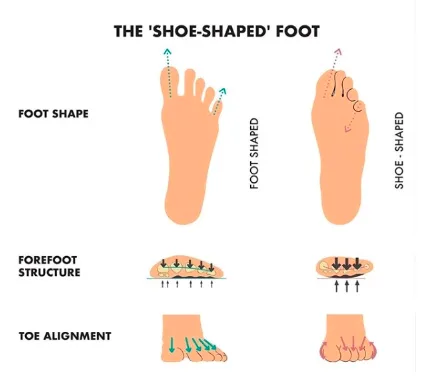
Which foot balances better?
Feet & Footwear
Balance is very affected by the foot. What's fashionable isn't usually healthy. Three independent predictors of falling: foot pain, reduced ankle dorsiflexion, and decreased toe strength.
Footwear tips
- Keep shoes as low as you can handle — higher shoes lead to worse injuries
- Choose shoes with a wide toe box
- Heels higher than toes tighten calves and make lifting toes harder
Toe gym: Your toes need exercise too — spreading, scrunching a towel, lifting your big toe independently.
Alan recommends: BPRIMAL
Alan recommends BPRIMAL minimalist footwear for their wide toe box, flat sole, and flexible design — exactly what your feet need to stay strong and balanced. They're not a fashion statement, they're a health decision.
View Recommended FootwearNutrition for Strong Muscles
Exercise builds muscle, but only if you give your body the raw materials. Most older Australians aren't getting enough protein. Aim for 1.5g per kilogram of body weight per day.
Sample day (for a 70kg person — target ~105g)
- Breakfast: 2 eggs + Greek yoghurt — ~22g protein
- Lunch: Tin of tuna + cheese sandwich — ~30g protein
- Dinner: 150g chicken breast + vegetables — ~45g protein
- Snacks: Handful of almonds + glass of milk — ~15g protein
- Total: ~112g — job done
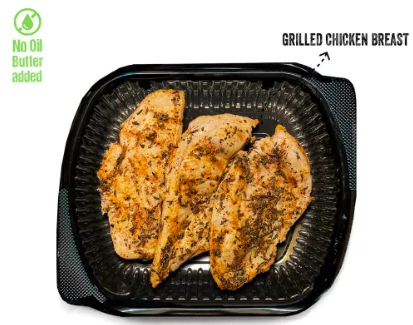
Eggs
~6g each
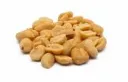
Meat
~25g per 100g
Fish
~20g per 100g
Creatine
Research shows creatine monohydrate can help older adults build more muscle from exercise. Widely considered safe.
Hydration
Dehydration makes muscles up to 30% weaker, lowers blood pressure (fainting risk), and raises stroke and clotting risk. Don't wait until you're thirsty.
"Bonus tip: seated calf pumps after meals reduce blood sugar spikes by up to 52%. Who knew your calves had a second job?"
Bone Density
Bones get stronger when you load them — Wolff's Law. Without load, they weaken. This is why weight-bearing exercise is so important, especially after 50.
Standing calf raises load the tibia and are one of the simplest bone-building exercises. Seated calf raises target the soleus — place a weight on your knees to increase load progressively.
Bone density tip: do calf raises with a slight bounce at the top. The impact stimulus triggers bone remodelling. Walking, stair climbing, and even gentle jumping all contribute.
Combined with adequate protein, vitamin D (walking outdoors!), and calcium, loaded exercise is your best defence against osteoporosis.
Ankle Pumps & Circulation
Your calf muscles are your "second heart." When you contract them, they pump blood back up to your heart. When you sit still for hours, that pump stops working.
Ankle pumps — simply pointing your toes up and down rhythmically — help prevent blood clots (DVT), especially during long car trips, flights, or after surgery.
Simple protocol: 20 pumps every 30 minutes when seated for long periods. Watch for swollen ankles and brownish skin staining (hemosiderin) — signs of poor circulation.
Standing Habits & Your Hips
How you stand matters more than you think. Most people habitually load 70–80% of their weight onto one leg, often locking that knee and hanging on the hip joint.
Over time this weakens the hip muscles on the loaded side, overloads the joint, and shifts your centre of gravity. It contributes to hip bursitis, IT band problems, and asymmetric weakness.
Better standing habits
- Stand with weight evenly distributed between both feet
- Keep a slight bend in your knees — don't lock them
- Gently engage your glutes while standing
- Swap sides regularly if you must lean
Ready to walk the talk?
Join Alan's next workshop, or book an appointment to work on your specific goals.